 Loading
Loading
Loading

Eight foundational pillars that govern how every horse in our care is handled, protected, and respected — from stable to finish line.
A binding welfare framework for all horses at EIEV-sanctioned events.
EIEV's Horse Welfare Policy is not a compliance document. It is a living commitment to athletes we cannot hear but must always protect.
Every competition, every stable, every journey is guided by these principles — and every person entrusted with a horse's care is held to them without exception.
"Welfare decisions are never subordinated to competition outcomes. The horse's wellbeing is always the primary consideration."
Each pillar addresses a distinct dimension of equine welfare — together forming a complete, enforceable standard.
Hover any pillar to read the full commitment.
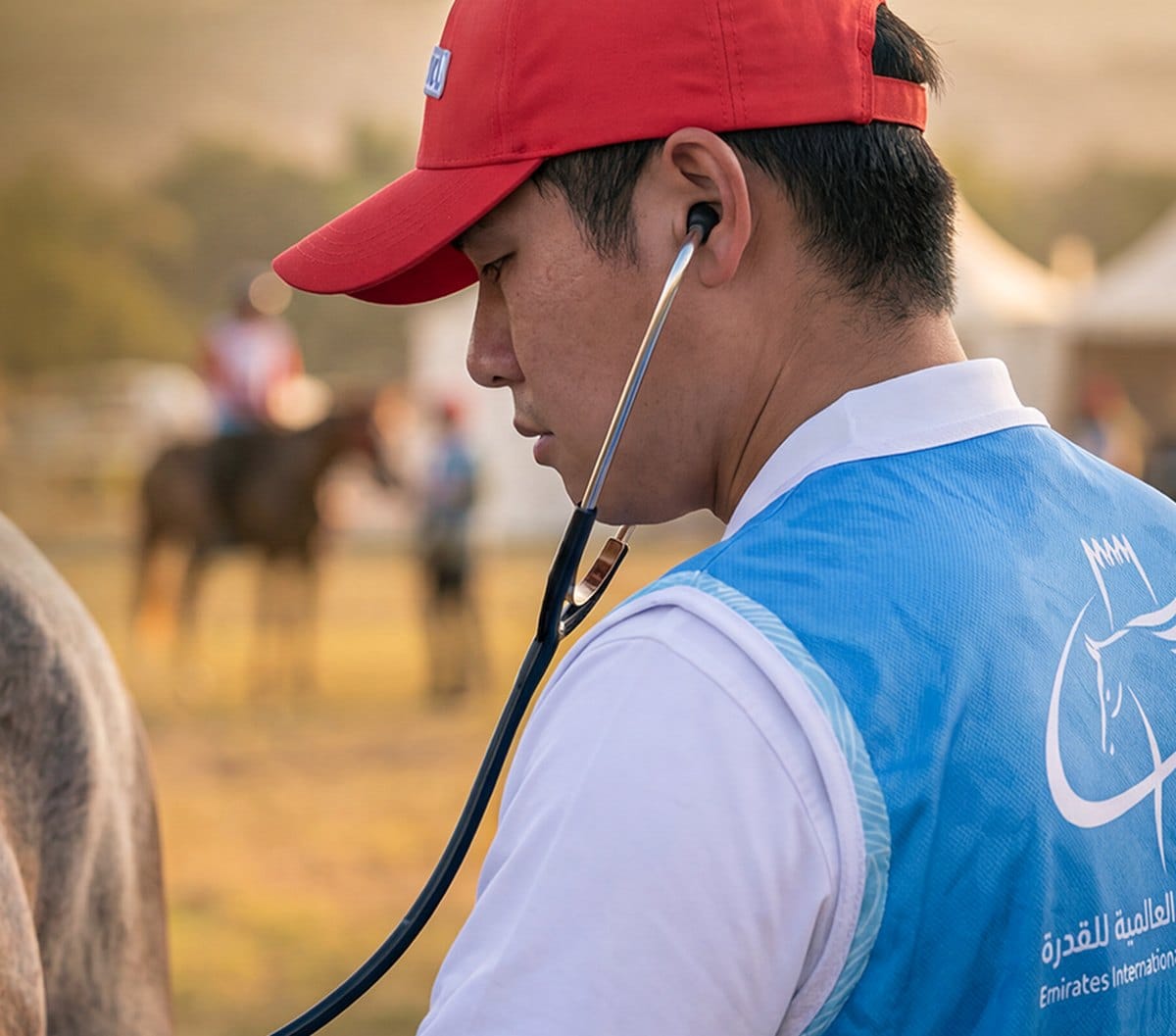
Every handler, groom, rider, and official must hold verified qualifications. Competence is demonstrated and recorded — not assumed.
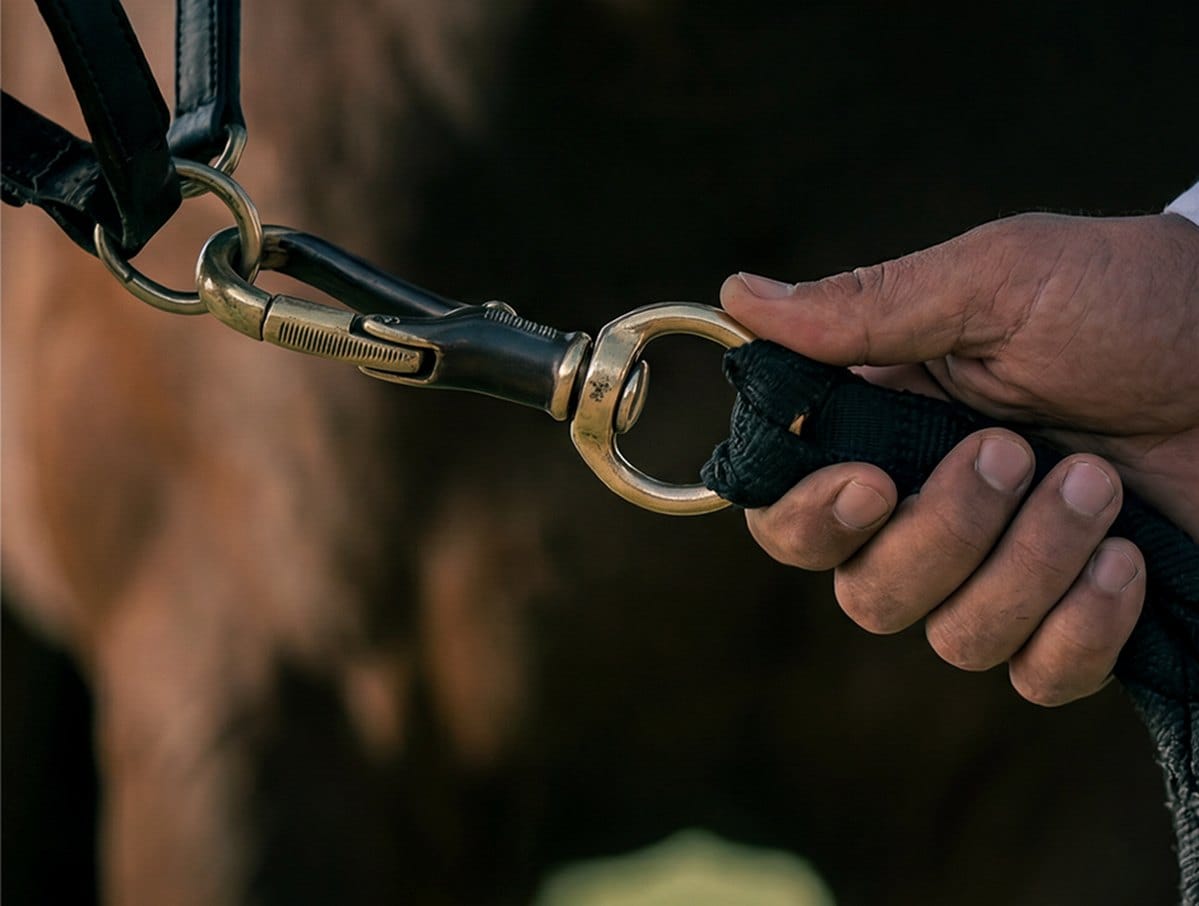
Physical, psychological, or systemic abuse is grounds for immediate removal and escalation. Anonymous reporting is always available.
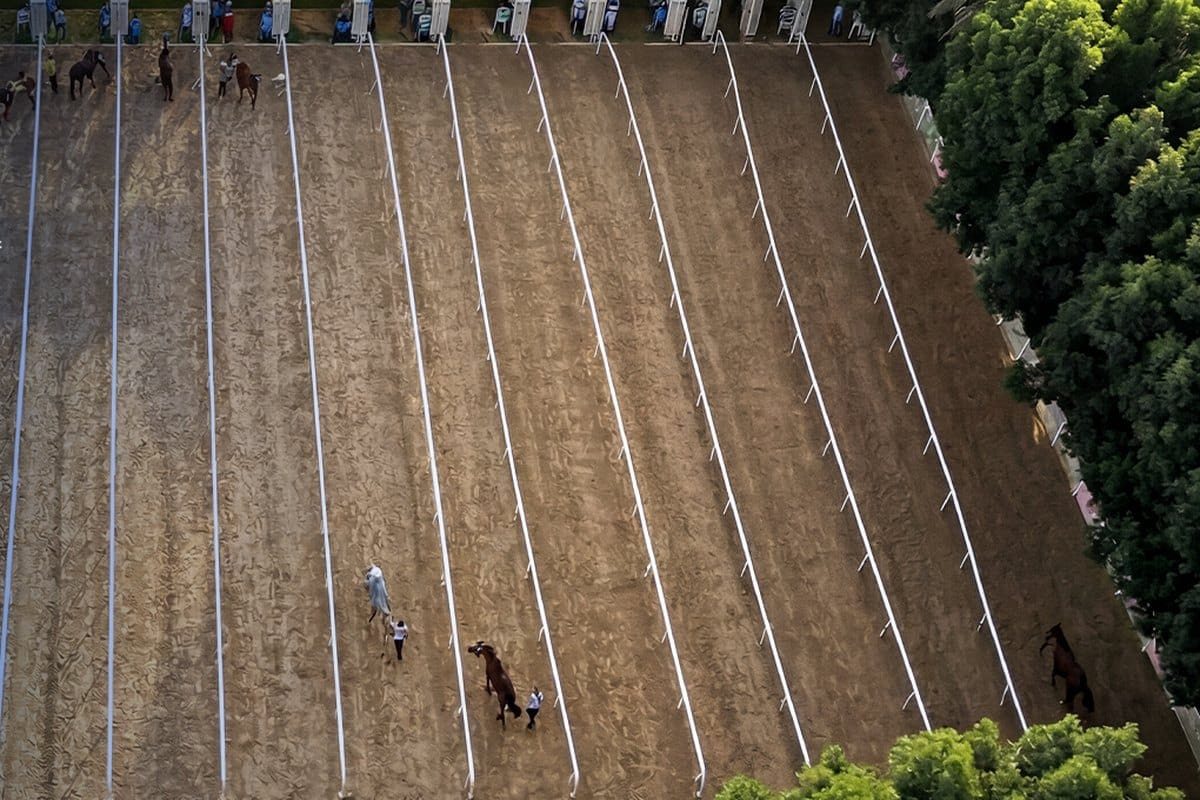
Courses, footing, and obstacles are assessed by an independent welfare panel. Mid-competition adjustments are made at the welfare officer's discretion.
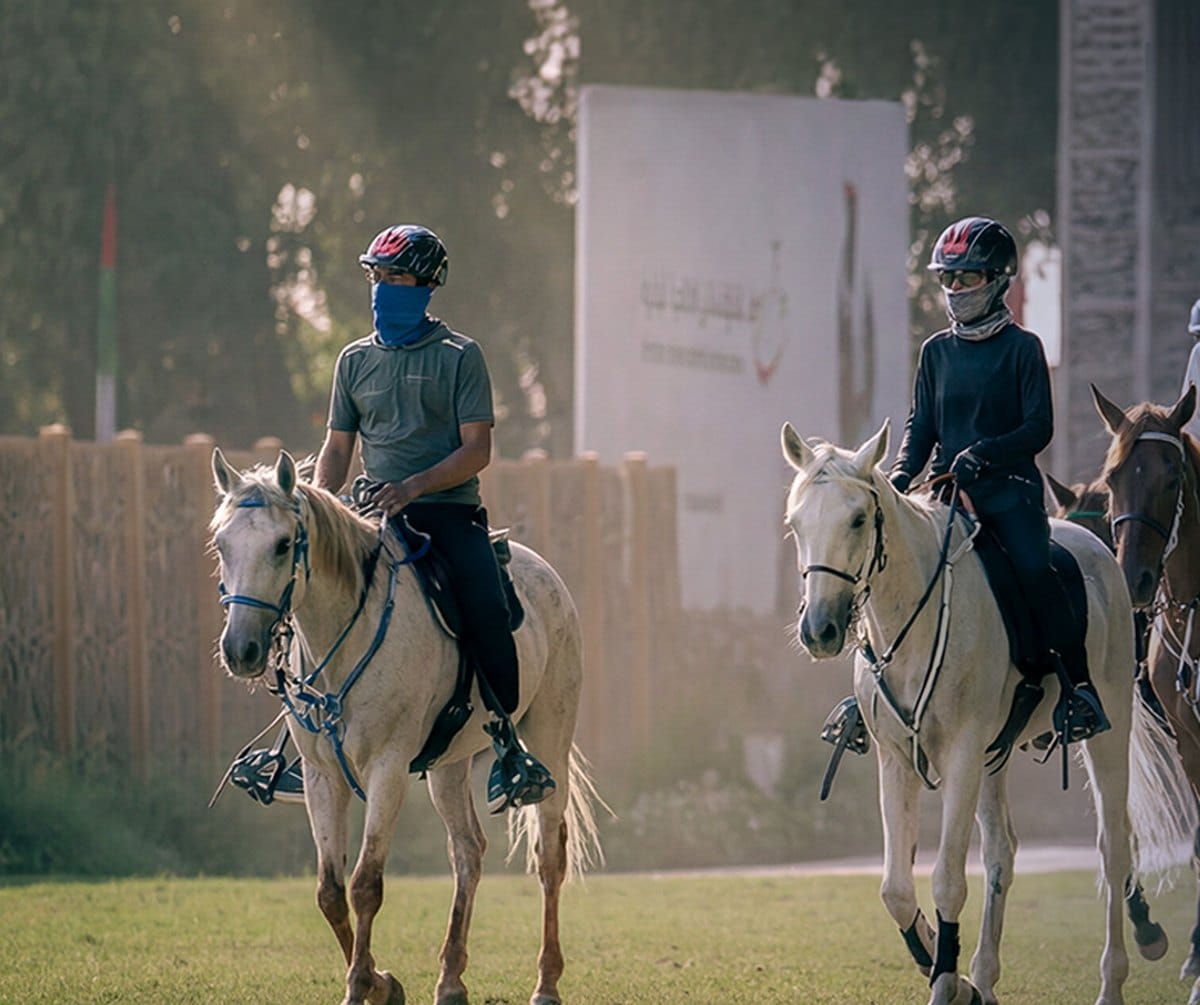
Mandatory heat-humidity index monitoring, enforced rest intervals, and real-time veterinary review protect horses from heat-related distress.
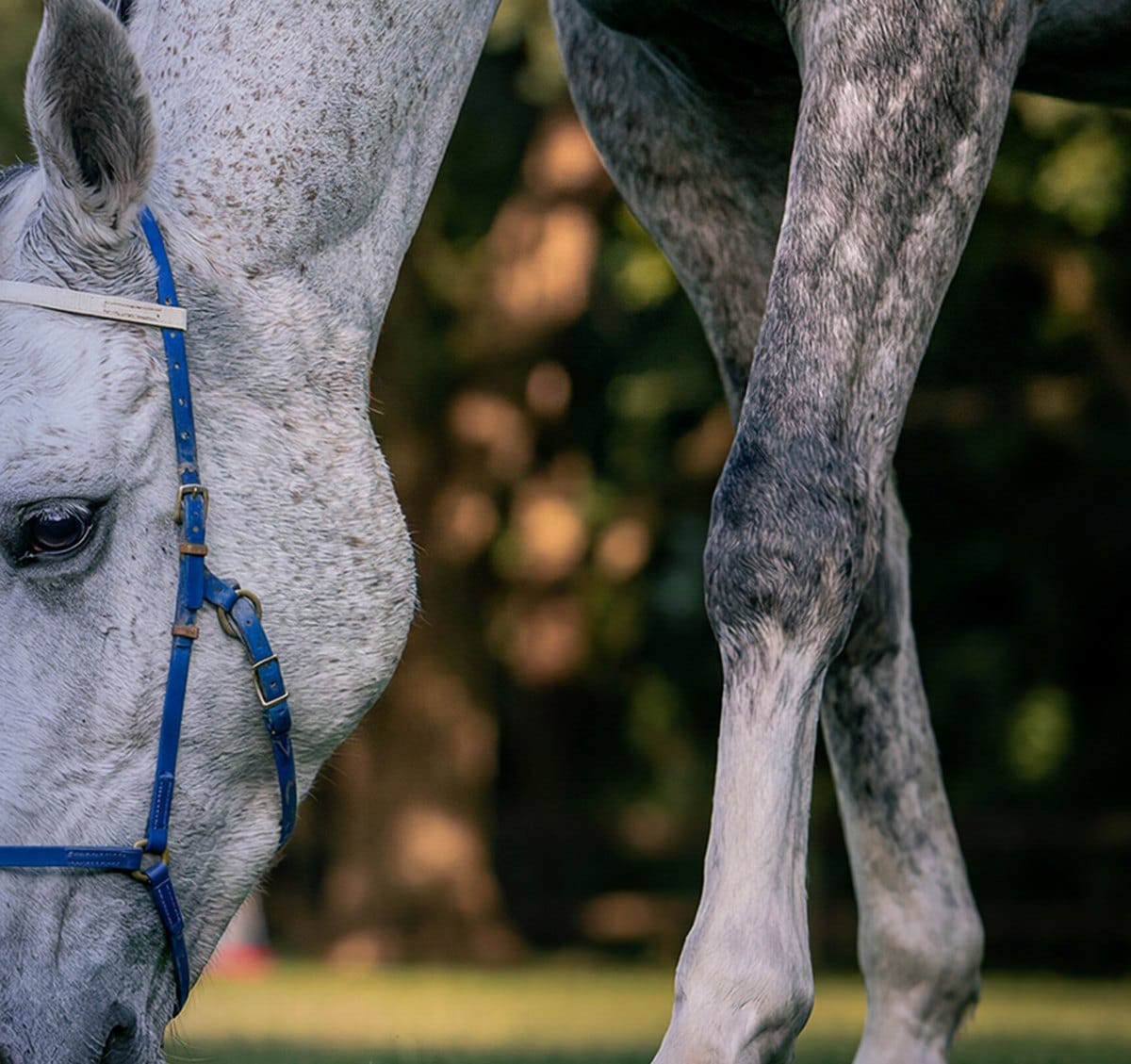
Stabling meets EIEV-certified standards for space, ventilation, and bedding. Nutrition and hydration are documented daily during all events.
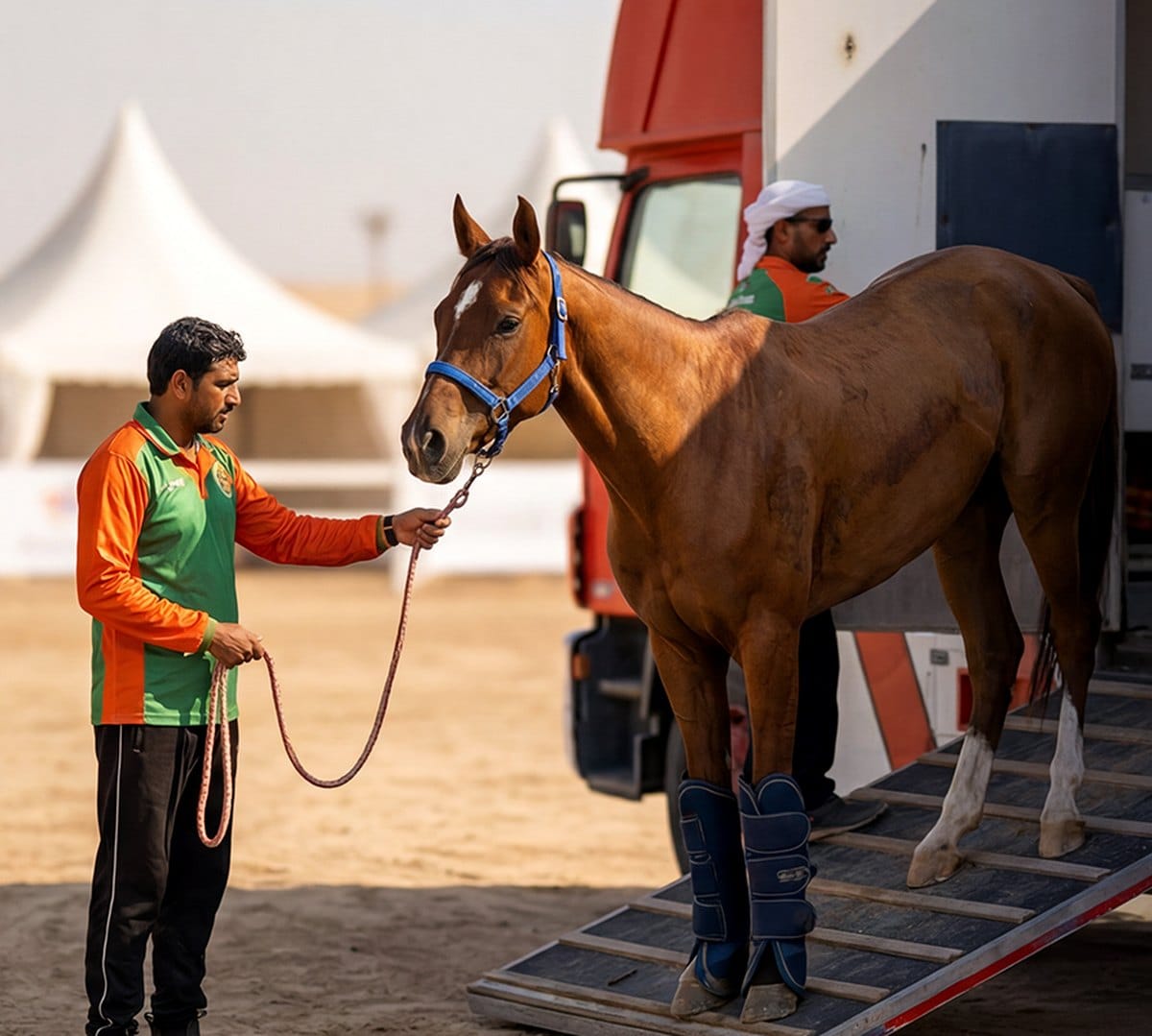
All vehicles are inspected before each journey. Horses showing distress during transport are assessed by a vet before continuing.
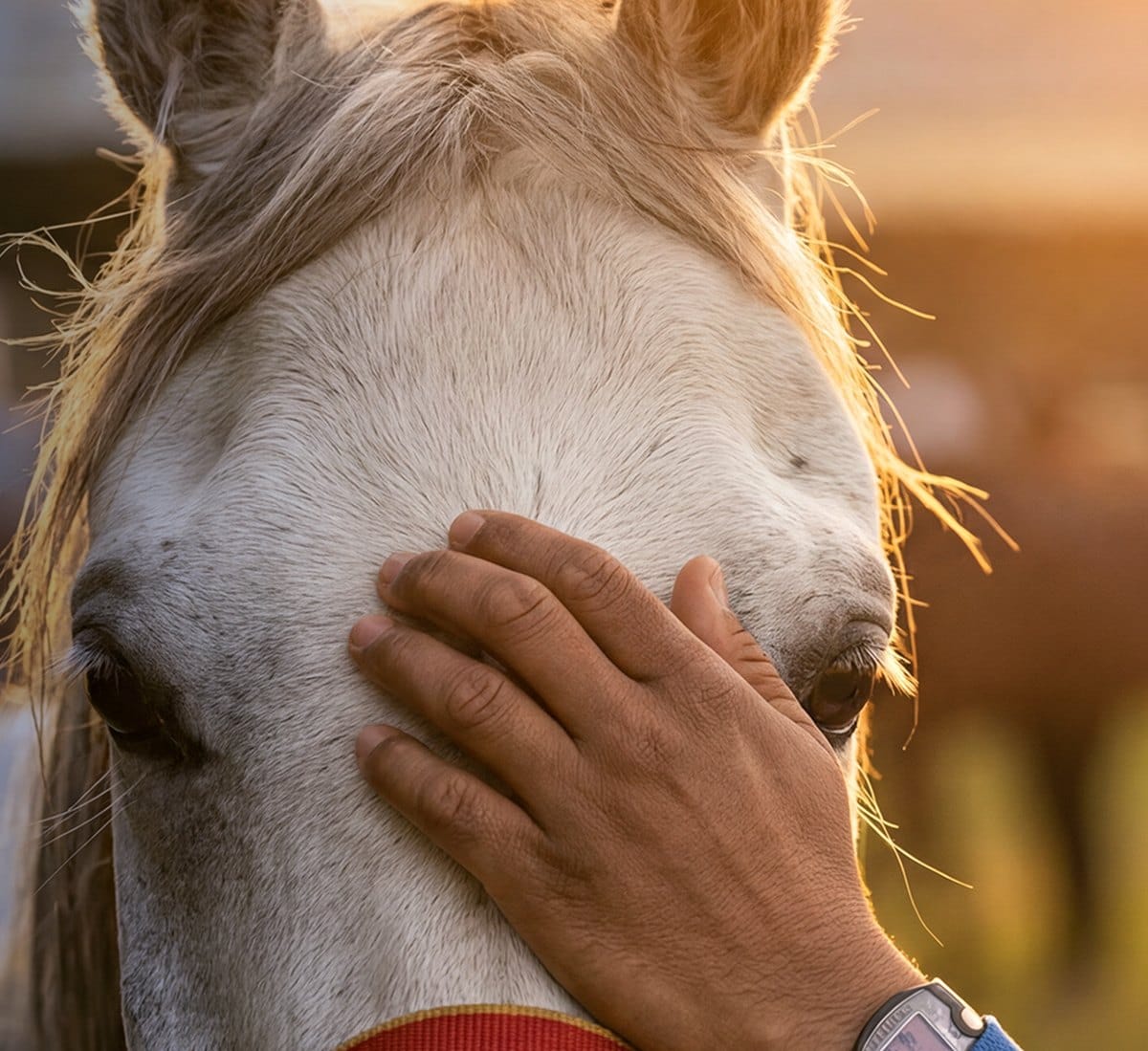
A licensed equine vet is present from first horse arrival to final departure — pre-competition, in-competition, and post-competition.
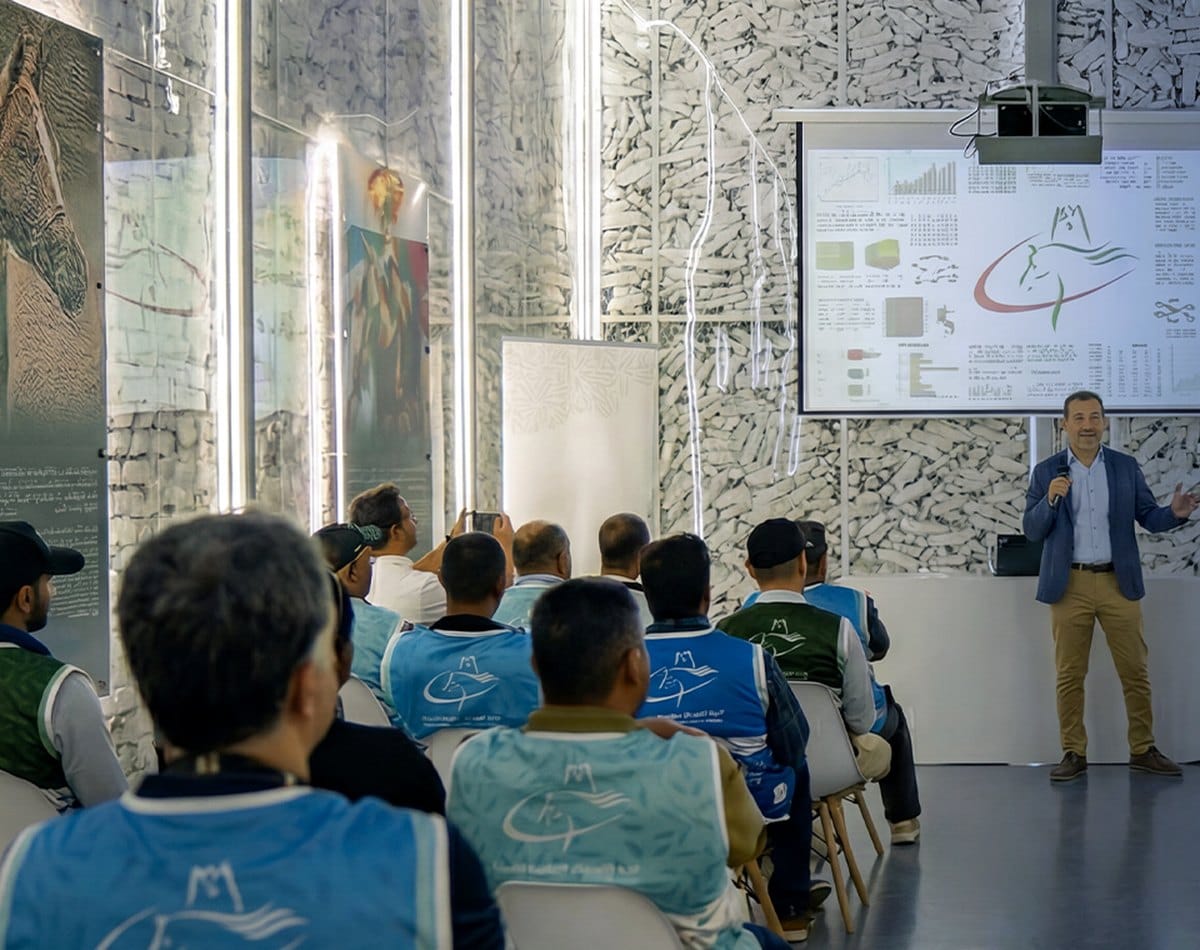
All licensed participants complete updated welfare modules annually, co-developed with veterinary and behavioural science specialists.
 EIEV Equestrian Welfare
The Horse Welfare Policy applies equally to transport, stabling, warm-up areas, and veterinary inspection — not just competition moments. Every touchpoint is covered.
The same welfare standards that bind riders extend to every person handling a horse — grooms, vets, transport staff, and event officials alike.
Any person at an EIEV event may report a welfare concern anonymously. All reports are investigated. Retaliation against a reporter is treated as a policy breach.
The policy is reviewed annually and updated to reflect advances in equine science. Participants are notified of changes before each season begins.

Click to open full document
All eight pillars in binding detail — standards, enforcement procedures, reporting mechanisms, and the obligations of every licensed participant at EIEV events.
Questions about the Horse Welfare Policy, reporting a concern, or applying for a welfare officer role — reach the EIEV team directly.